By Herb Weitzman, Executive Chairman, Weitzman
Large-format anchored retail is having a heyday in Dallas-Fort Worth right now. New construction is primarily found in developments with anchors such as H-E-B, Kroger, Tom Thumb, Costco, Walmart, Target, Lowe’s, Home Depot and more.
The big anchors are finding success in a D-FW market that is experiencing stellar population, housing, wage and economic growth.
These same factors also positively affect the smallest shopping center category, the neighborhood center.
In fact, smaller unanchored retail centers are enjoying their most active deliveries and leasing momentum in years. These small centers are attracting neighborhood-focused small-format concepts like beauty and wellness, boutique fitness, medical and dental, fast-casual dining and services.
This success wasn’t always the case. For much of the 1990s and into the 2000s, neighborhood centers experienced vacancy rates as high as 20 percent.
That ranked as the highest vacancy percentage among all of D-FW’s retail center categories. The neighborhood format was overbuilt and suffered from too many poorly conceived and poorly located projects.
Fortunately, development in this category essentially stopped about 15 years ago, allowing the smaller centers to see occupancy increase over time due to leasing demand driven by D-FW’s booming population.
Now development for neighborhood centers is again picking up, and a lot of the new projects can be found in growth markets like Celina, Melissa, Justin, North Fort Worth and other densifying areas.
But today’s new neighborhood projects are typically smarter in their approach, with the following attributes:
1.Locations that offer both visibility and access to the neighborhoods they serve.
2. Tenant mixes designed to provide convenience and essential services and dining options geared toward neighborhood demographics.
3. Multi-building designs to create multiple endcaps.
4. Spaces designed for quick-serve and fast-casual dining concepts, with a focus on the availably of patios and drive-thru options.
5. The ability to benefit from nearby retail by locating peripheral to grocers or other anchors, thereby taking advantage of their traffic and essentially creating the benefit of a “shadow anchor”.
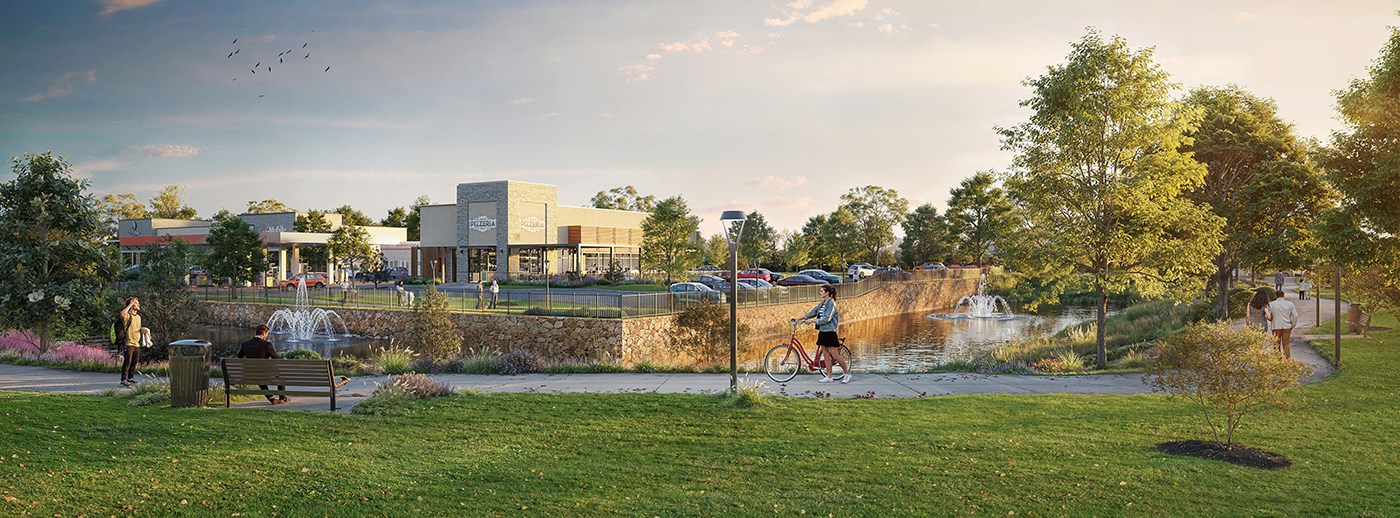
6. Creation of amenities like greenspace and water features that create a sense of place through what we at Weitzman refer to as ‘lifestyling’ a center.
Neighborhood centers today benefit from the renewed focus on the project’s location, access, visibility, design, amenities and all of the other things that make retail centers successful.
As a result, occupancy in neighborhood retail has left the double-digit vacancy era far behind.
In fact, the category now reports its highest occupancy ever in Weitzman’s decades-long review of the retail market.
We show D-FW with 662 neighborhood centers (25,000 square feet up to approximately 50,000 square feet) for a total of 40.4 million square feet of inventory.
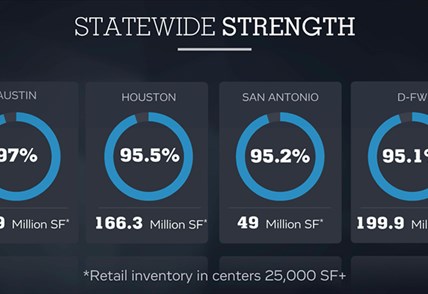
Most importantly, this large category of small centers reports healthy occupancy above 93 percent and strong annual net leasing of around 300,000 square feet.
So while a lot of attention is paid, and rightly so, to the successful proliferation of big anchors in D-FW, the small tenants in the small centers are enjoying their own success.
This Insight originally appeared in D CEO Magazine.